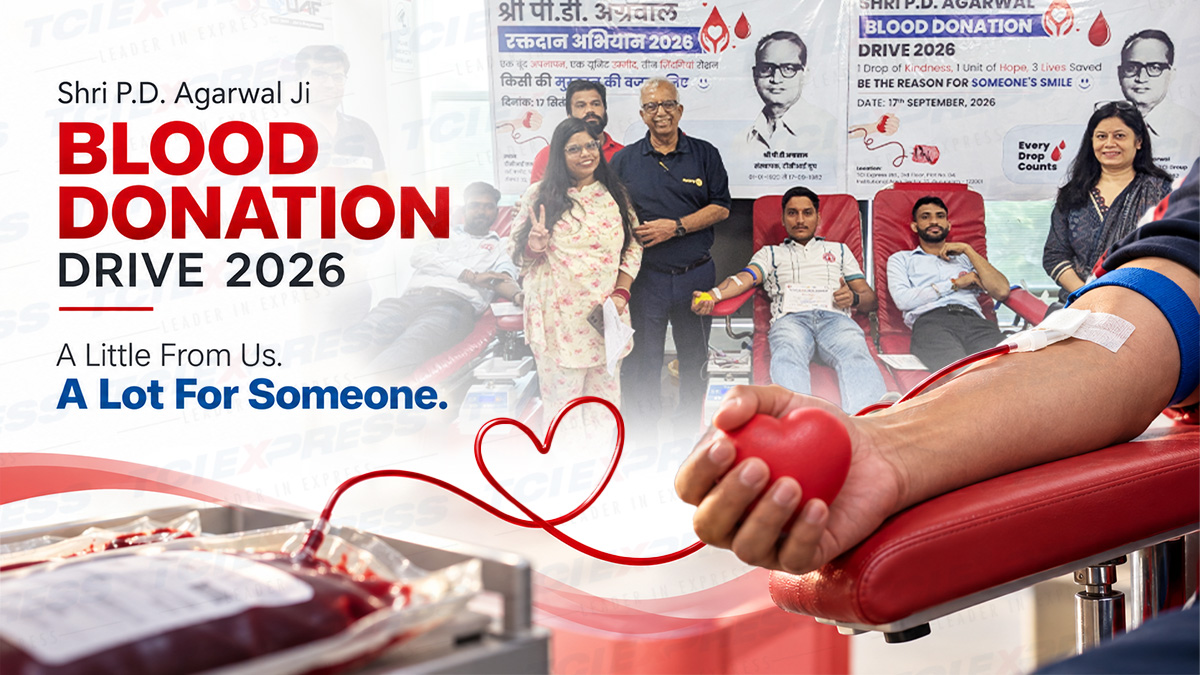
Shri P. D. Agarwal Ji Blood Donation Drive 2026: Gratitude to Everyone Who Made It Meaningful
Key Takeaway
- Turning Remembrance into Action: The 2026 Blood Donation Drive honored Founder Chairman Late Shri P. D. Agarwal Ji by translating corporate values into tangible humanitarian service and critical healthcare support across India.
- A Collaborative Ecosystem of Care: Success was driven by a united community—voluntary employee donors, dedicated on-site organizers, administrative coordinators, and certified blood-bank medical specialists.
- Safeguarding Medical Integrity & Donor Dignity: Guided by e-RaktKosh standards, every volunteer underwent confidential medical screening, upholding the principle that medical safety and informed consent take absolute priority over numerical targets.
- Sustaining Year-Round Blood Support: Beyond a single commemorative event, the initiative champions continuing voluntary donation awareness, urging communities to utilize verified national health resources like e-RaktKosh.
The Shri P. D. Agarwal Ji Blood Donation Drive 2026 became meaningful because people chose to give their time, support and care to a shared humanitarian purpose. TCI EXPRESS extends sincere gratitude to every employee, partner, volunteer, medical professional and organiser who helped the initiative move from an intention to responsible action.
Every blood-donation drive depends on many people. Some volunteer to donate. Others help organise the venue, coordinate with the authorised blood centre, guide participants, maintain records, arrange refreshments or ensure that donors have time to rest. Each role contributes to an environment in which voluntary blood donation can take place safely, respectfully and efficiently.
The 2026 initiative was organised in remembrance of Late Shri P. D. Agarwal Ji, Founder Chairman of TCI Group. It carried forward a legacy that connected business purpose with service to society. Through this drive, remembrance found a practical expression in compassion, participation and support for healthcare needs.
A little from us can mean a lot to someone
The official campaign message, “A Little From Us. A Lot For Someone,” captures the spirit of voluntary blood donation. The act may take only a limited part of a donor's day, but donated blood and its components can support medical care in many situations. These may include emergencies, surgery, treatment for serious illnesses, complications related to childbirth and other clinical needs.
A donor will usually never know the recipient. The recipient may never know the name of the donor. Yet the connection is real. A voluntary donation enters a carefully managed healthcare process that includes collection, screening, testing, component preparation, storage and clinical use under authorised supervision.
The Government of India's e-RaktKosh portal helps people find registered blood centres, blood availability information and donation camps. The Directorate General of Health Services also provides information about India's blood-transfusion framework and the continuing importance of safe, voluntary donation.
Remembering Shri P. D. Agarwal Ji through service
Late Shri P. D. Agarwal Ji is remembered as a pioneer who helped lay the foundation for an organised and connected logistics industry in India. His vision was not limited to the movement of goods. It also reflected values such as responsibility, integrity, service and care for the communities in which an enterprise operates.
The story of his entrepreneurial journey began in 1958 with a single truck operating between Calcutta and Bombay. The official TCI Group tribute to Shri P. D. Agarwal Ji describes the pioneering outlook that helped shape a national logistics enterprise. His legacy continues through the organisations, people and community programmes inspired by those founding values.
The TCI Foundation blood-donation programme reflects this commitment to public health and service. Holding the 2026 drive in his memory connects respect for the past with a present-day action that can support people during moments of medical need.
Why organised blood-donation drives matter
Blood is a vital medical resource that cannot be manufactured as a routine commercial product. Healthcare systems depend on eligible donors and authorised blood centres to maintain availability. Demand continues throughout the year, while blood and different blood components have defined storage conditions and usable periods.
An organised drive can make participation easier by bringing together volunteers, an authorised medical team, a suitable venue and a clear process. It can also help first-time donors receive accurate information and ask questions directly to qualified professionals.
However, convenience must always be matched with medical safeguards. Donor eligibility is decided by the authorised medical team after confidential screening. Workplace managers, colleagues and event volunteers should encourage awareness, but they should never pressure a person to donate or question a medical deferral.
Public guidance on voluntary donation is available through the e-RaktKosh donor information page. General guidance cannot replace the individual assessment made by medical professionals at the event.
Every contributor helped make the drive possible
Employees who volunteered
Employees who came forward to donate turned the purpose of the campaign into action. Their participation represented personal choice and a willingness to support an unknown patient. First-time and repeat donors both contributed to the shared spirit of the initiative.
Partners who supported coordination
Partners can play an important role in communicating verified information, enabling local arrangements and helping authorised teams conduct the drive smoothly. Their cooperation helps connect a national purpose with practical work at the event location.
Volunteers who worked behind the scenes
Volunteers often manage responsibilities that may not be visible in the final photographs. They may guide participants, organise queues, answer basic event questions, coordinate refreshments and help people follow the instructions of the medical team. These details matter because an orderly and respectful experience builds confidence.
Medical and blood-centre professionals
The authorised medical team carries the essential responsibility for donor screening, eligibility, collection and immediate aftercare. Blood-centre professionals also manage the clinical processes that follow donation. Their expertise protects both donors and recipients.
Teams that enabled participation
Managers, facility teams, communication teams and local coordinators may help create the time and space needed for voluntary participation. Their work shows that community service succeeds when purpose is supported by preparation.
What responsible participation looks like
A successful drive is not measured only by a headline number. It should also reflect donor dignity, informed consent, medical supervision, accurate communication and respect for privacy. Responsible participation includes:
- Sharing only approved event information
- Keeping medical screening confidential
- Allowing the authorised team to decide eligibility
- Giving donors clear instructions before and after donation
- Respecting a person's decision not to donate
- Seeking consent before publishing names or identifiable photographs
- Reporting participation figures only after formal verification
- Recognising volunteers and support teams as well as donors
These practices help ensure that the campaign remains centred on care rather than competition. They also strengthen trust in future community initiatives.
From employee participation to wider social value
Corporate social responsibility is most useful when it creates practical value beyond a statement of intent. A workplace-supported donation drive can make verified information and authorised donation facilities more accessible to employees and nearby participants. It can also encourage conversations about the continuing need for voluntary blood donation.
TCI EXPRESS's social initiatives sit alongside the wider work of TCI Foundation, whose programmes address healthcare and community development. The company's FY 2024–25 Annual Report records earlier blood-donation activity and provides broader information about its corporate social responsibility approach.
The 2026 drive continues this tradition. It brings together people from different roles around one simple idea: an organisation's strength can also be used to create opportunities for service.
Care, trust and responsibility beyond everyday operations
TCI EXPRESS is known for connecting businesses through its express logistics services. Reliability in logistics depends on coordination, accountability and trust. Those same qualities are also valuable when organising a community initiative.
A donation drive is not a logistics service, and medical processes remain entirely under authorised healthcare professionals. The relevant connection lies in the culture of preparation and responsibility. People must know their roles, verified information must reach the right participants and every stage must be handled with care.
By supporting the blood-donation initiative, employees, partners and volunteers demonstrated that service can extend beyond the normal boundaries of business. Their contribution helped create a shared experience built around compassion and community.
Transparency is part of meaningful impact
Post-event communication should celebrate participation without overstating results. Donor registrations, completed donations and usable blood units are not necessarily the same measure. A person who volunteers may be deferred for a medical reason, and that decision is a normal part of a safe process.
For this reason, any final count should be published only after reconciliation with the authorised blood-centre records. The names of participating locations, medical partners and supporting organisations should also be checked before publication.
Operational coordination across hubs, branches and certified blood centres
The Shri P. D. Agarwal Ji Blood Donation Drive 2026 was conducted simultaneously across key corporate facilities, high-velocity sorting hubs—including major operational complexes in Gurugram and Pune—and designated regional branch offices nationwide. Organised under the stewardship of the TCI Foundation, each camp operated in direct partnership with certified local blood transfusion centres and Indian Red Cross units, guaranteeing that clinical collection, safe handling, and cold-chain transport complied fully with national healthcare protocols.
At every participating venue, dedicated medical teams managed the full donor care cycle—from initial confidential screening and vital checks to post-donation monitoring in supervised recovery bays. Support teams ensured donors received nutritious refreshments and verified guidance on hydration and rest before resuming routine duties. Collected units were formally catalogued and handed over to licensed regional blood banks for testing, component separation, and deployment in emergency trauma care, maternity support, and critical inpatient treatments across neighboring hospital networks.
How can people continue supporting voluntary blood donation?
The completion of one drive does not end the wider need. People who want to support voluntary blood donation can take responsible next steps:
- Use e-RaktKosh to locate authorised blood centres and registered camps
- Follow the recommended interval and medical advice before donating again
- Encourage eligible friends and colleagues without applying pressure
- Share verified requests and avoid circulating incomplete emergency messages
- Learn about blood groups, components and safe donation from official health sources
- Support donors with accurate information, transport or time where appropriate
- Respect privacy and never publish someone's health information
People who cannot donate can still help. Supporting responsible awareness, volunteering at an authorised event and directing others to verified resources are meaningful contributions.
Thank you for turning remembrance into action
The Shri P. D. Agarwal Ji Blood Donation Drive 2026 was made meaningful by collective effort. TCI EXPRESS thanks every employee who participated, every partner who supported the initiative, every volunteer who helped the event run smoothly and every professional who protected the safety and dignity of the process.
The photographs from the campaign show individual moments of participation. Together, they tell a larger story about people choosing to act for someone they may never meet. That is the quiet strength of voluntary blood donation.
As TCI EXPRESS continues serving businesses and communities across India, the values associated with Late Shri P. D. Agarwal Ji remain a guide: work with integrity, serve with responsibility and build trust through action.
Thank you for stepping forward. Thank you for making a difference.

Frequently Asked Questions
What was the Shri P. D. Agarwal Ji Blood Donation Drive 2026?
It was a voluntary blood-donation initiative supported by TCI EXPRESS in remembrance of Late Shri P. D. Agarwal Ji and his legacy of service to society.
Who helped make the TCI EXPRESS blood-donation drive successful?
The initiative was supported by employees, partners, volunteers, organisers and authorised medical and blood-centre professionals. Each group contributed to safe, respectful and orderly participation.
Why are final donation figures not the same as registrations?
Some registered volunteers may be medically deferred after confidential screening. Final completed-donation figures should therefore be verified with the authorised blood centre before publication.
Where can someone find an authorised blood-donation centre in India?
The Ministry of Health and Family Welfare's e-RaktKosh portal provides search tools for registered blood centres, blood availability and donation camps.
Can someone support blood donation without donating?
Yes. People can volunteer, share verified information, help others access authorised resources and encourage eligible donors without pressure.
Who decides whether a person is eligible to donate blood?
The authorised medical professionals conducting the drive make the eligibility decision after confidential screening. General online information cannot replace this assessment.
References & Sources
- Official TCI EXPRESS Blood Donation Drive 2026 post-event communication ↗
- TCI Foundation Blood Donation Programme ↗
- TCI Foundation ↗
- TCI EXPRESS Annual Report 2024–25 ↗
- e-RaktKosh, Ministry of Health and Family Welfare ↗
- e-RaktKosh Donor Guidance ↗
- Directorate General of Health Services, Blood Transfusion Services ↗
- TCI Group tribute to Shri P. D. Agarwal Ji ↗