Women Driving the Future of Logistics at TCI EXPRESS
Key Takeaway
Learn how women at TCI EXPRESS lead teams, support customers, plan supply chains and help keep daily logistics operations moving.
Women in logistics India are working across many important roles. They lead teams, coordinate shipments, support customers, use technology, plan supply chains and solve daily problems. At TCI EXPRESS, women are part of the work that keeps the network moving every day.
A successful delivery depends on many people making the right decisions. The booking details must be correct. The team must choose a suitable route and service. Documents and tracking updates must remain accurate. If a problem occurs, it must be noticed early and sent to the right team. Women contribute at every stage of this process.
Women are part of the complete logistics journey
People often think of trucks, warehouses and packages when they hear the word logistics. These are important, but people make the network work. Teams coordinate the shipment, share information and support the customer from pickup to delivery.
The official TCI EXPRESS message recognises women working in operations, technology, customer service and supply chain management. These roles are closely connected. Customer-service teams need correct shipment updates. Planners need accurate booking information. Technology teams must make important data easy to use. Good leadership brings these different parts together.
Where do women contribute in an express logistics network?
Leading teams and coordinating operations
Daily operations connect customers, branches, pickup teams, sorting centres, vehicles and delivery locations. Team leaders organise the work, set priorities, check progress and respond when the original plan changes.
This work requires practical knowledge and good judgement. A leader must know which problem can be solved locally, when another branch should help and when senior support is needed. Clear communication is especially important when a shipment faces an exception.
Supporting customers with accurate information
Customer service is an important part of logistics operations. Business customers may ask for a booking confirmation, pickup status, in-transit update, destination-arrival update, delivery confirmation or electronic proof of delivery. They may also need help with a delay or missing document.
Women in customer-facing roles turn shipment events into clear and useful updates. They listen to the customer, check the correct record and explain the next action. They must also avoid making promises that have not been confirmed.
Planning supply chains and service requirements
Supply chain planning begins before pickup. The team needs to know the origin, destination, type of goods, package size, shipment frequency, required delivery time and documents. It should also understand what a delay could mean for the customer's business. These details help the team assess the service and transport mode.
Women in planning, account management and related roles support these decisions. They may review regular routes, coordinate dispatch schedules, check capacity, prepare reports and help customers plan more predictable shipments.
Using technology to improve visibility and control
Digital tools have created more types of logistics work. Tracking systems, customer dashboards, reports, data exchange and automated processes need people who can understand the information and take action.
Technology cannot make every decision by itself. A status update must be understood correctly. An alert must reach the person responsible for it. If the same problem happens repeatedly, the process should be reviewed. Women in technology, analytics, customer systems and operations help turn data into action.
Solving problems where the work happens
Logistics plans can change. A pickup may need clarification. A transport connection may be disrupted. A document may be missing, or the consignee may be unavailable. The team must notice the issue early, assign responsibility and look for a practical solution.
Solving problems on the ground is an important professional skill. It includes checking the facts, protecting the shipment, informing the right teams, updating the customer and recording the final outcome. This is also a form of leadership. Leadership is shown through responsible action, not only through a job title.
Representation matters, but participation must be meaningful
TCI EXPRESS reported a workforce of more than 2,681 employees in its FY 2024-25 annual report. During that period, women represented 11.2% of permanent employees and 53.5% of non-permanent employees. These figures cover two different employment groups. They should not be added together or presented as one overall percentage.
The report also says that gender diversity, inclusion and equal opportunity remain important to the company. TCI EXPRESS aims to increase the representation of women across different levels through professional development and inclusive policies.
Workforce figures help show the current position and future progress. However, meaningful participation is about more than numbers. Women also need access to training, important assignments, decision-making responsibilities and opportunities to grow into leadership roles.
Why India needs more women across logistics roles
India's logistics sector supports manufacturing, retail, healthcare, e-commerce, agriculture and international trade. It offers work in transport, warehousing, freight forwarding, customer service, technology and supply chain planning.
A study by the Department for Promotion of Industry and Internal Trade examined women's participation in logistics services, freight forwarding and customs broking. It looked at participation levels, barriers, job roles and company practices. The study also suggested ways to help more women enter and remain in the sector.
Employers, government bodies and training institutions all have a role. More women in logistics can increase the skilled talent available to the industry. It can also bring more experiences and viewpoints into decisions about services, technology and workplace practices.
What helps women enter, contribute and progress?
Role-based skills and practical learning
Clear job requirements make it easier for people to prepare for a role. Training should also match the work employees will perform. It may cover shipment processes, documentation, customer communication, digital systems, safety, problem-solving, data analysis and leadership.
The National Logistics Policy includes workforce development and skills as part of building a reliable logistics system. Companies therefore need regular training that helps employees perform their current roles and prepare for greater responsibility.
Safe and suitable working conditions
Some logistics jobs involve facilities, field travel, different shifts and work across several locations. The workplace must match the needs of the role. Useful measures can include safe facilities, suitable shift arrangements, clear reporting channels, proper equipment and respectful supervision.
These measures support all employees. Clear workplace processes reduce confusion, improve accountability and help people focus on their responsibilities.
Equal access to responsibility
Inclusion becomes real when women receive meaningful responsibilities. These can include managing a team, coordinating an important shipment, leading a customer discussion, reviewing performance or improving a process. Such assignments build the experience needed for career growth.
Mentoring and professional networks can also help, but they cannot replace practical opportunities. The strongest sign of inclusion is women taking part in decisions and building long-term careers throughout the organisation.
Technology that expands access without hiding barriers
Automation, digital documents, remote coordination and data-based planning are changing logistics jobs. These tools can create more opportunities in technical and planning roles. However, people still need the right training, authority and working conditions to use technology well.
A people-first view of operational leadership
A people-first workplace understands that inclusion and good performance support each other. Reliable service comes from trained people working through clear processes. Employees need to understand their roles, receive suitable tools, work with respectful managers and have a safe way to report concerns.
Women in logistics should not be treated only as symbols of progress. They are professionals with real responsibilities. Their contribution is visible in the work they perform, the decisions they make and the support they provide to customers and colleagues.
TCI EXPRESS and the road ahead
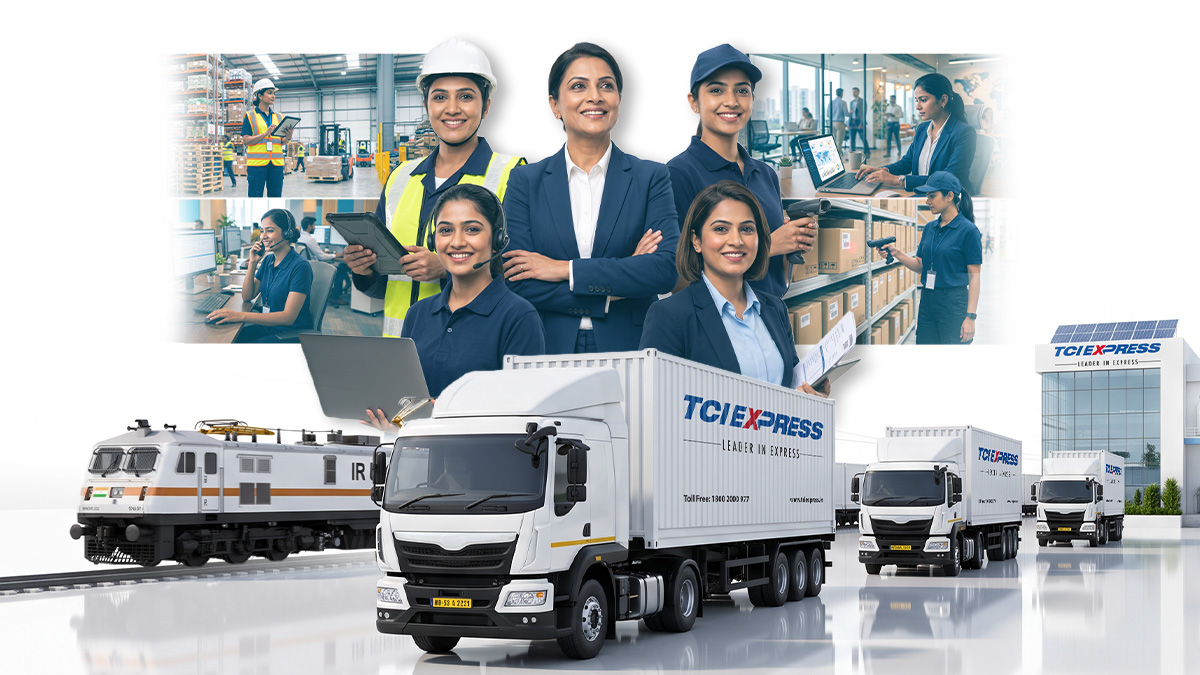
The latest TCI EXPRESS campaign carries a clear message: women already help run the network every day. They lead teams, coordinate work, support customers, plan shipments and solve problems.
TCI EXPRESS has also stated its commitment to a more diverse and inclusive workforce. Progress can be seen through clear reporting, growing representation, employee development and more women taking responsibility at different levels.
Readers interested in career opportunities can review the TCI EXPRESS careers page at https://www.tciexpress.in/career. The company's current workforce, sustainability and inclusion disclosures are available through its financial-reports page at https://www.tciexpress.in/financial-reports.
Final takeaway
The future of logistics needs people who understand operations, technology and customer requirements. It also needs people who can make clear decisions. Women already bring these skills to the TCI EXPRESS network.
Further progress requires regular action. Companies need to recruit widely, provide useful training, maintain safe working conditions and give women equal access to important assignments. When this happens throughout the year, inclusion becomes part of everyday business and strengthens the organisation.
Frequently Asked Questions
What roles do women perform at TCI EXPRESS?
Women contribute across team leadership, operations, customer service, technology and supply chain planning. Their responsibilities include coordinating work, supporting customers, using operating information and solving shipment-related problems.
Why is women's participation important in logistics?
Logistics needs skilled people across physical operations, customer management, planning and technology. Wider participation expands the available talent pool and brings more experiences into workplace, service and process decisions.
What percentage of TCI EXPRESS employees are women?
For FY 2024-25, TCI EXPRESS reported that women constituted 11.2% of permanent employees and 53.5% of non-permanent employees. These are separate workforce categories and should not be combined into one percentage.
How can logistics employers support women's career progression?
Employers can provide role-based training, safe and suitable working conditions, equal access to operational responsibilities, mentoring, transparent advancement paths and clear processes for reporting workplace concerns.
Is logistics work limited to transport and warehouse roles?
No. The sector also includes customer service, supply chain planning, account management, technology, analytics, documentation, finance, human resources, safety and leadership roles.
Where can someone find TCI EXPRESS career opportunities?
Current opportunities and career information should be checked on the official TCI EXPRESS careers page at https://www.tciexpress.in/career.
References & Sources
- TCI EXPRESS official LinkedIn post: Women Driving the Future of Logistics ↗
- TCI EXPRESS Annual Report 2024-25 ↗
- DPIIT Report on Enabling Women's Participation in India's Logistics Sector ↗
- DPIIT National Logistics Policy and logistics publications ↗
- TCI EXPRESS financial reports ↗
- TCI EXPRESS careers ↗